Stone lodges, fortified towers, and hospital compounds that marked the Tuscan stretch of the Canterbury-to-Rome corridor — how they were built, and how many survive.
Historic Routes · Italy
For centuries, travellers crossing Italy relied on a dense network of hospices, roadside chapels, and fortified waystations. This archive documents what remains of those stopping points — from the Via Francigena in Tuscany to the Via Appia south of Rome.
Three principal routes shaped pilgrim movement across medieval Italy. Each carried its own network of rest infrastructure — some still standing, most now documented only in cartularies and episcopal registers.
Stone lodges, fortified towers, and hospital compounds that marked the Tuscan stretch of the Canterbury-to-Rome corridor — how they were built, and how many survive.
How the network of ospizi and hospitali became inseparable from merchant transit, episcopal politics, and the economics of road maintenance in 12th–15th century Italy.
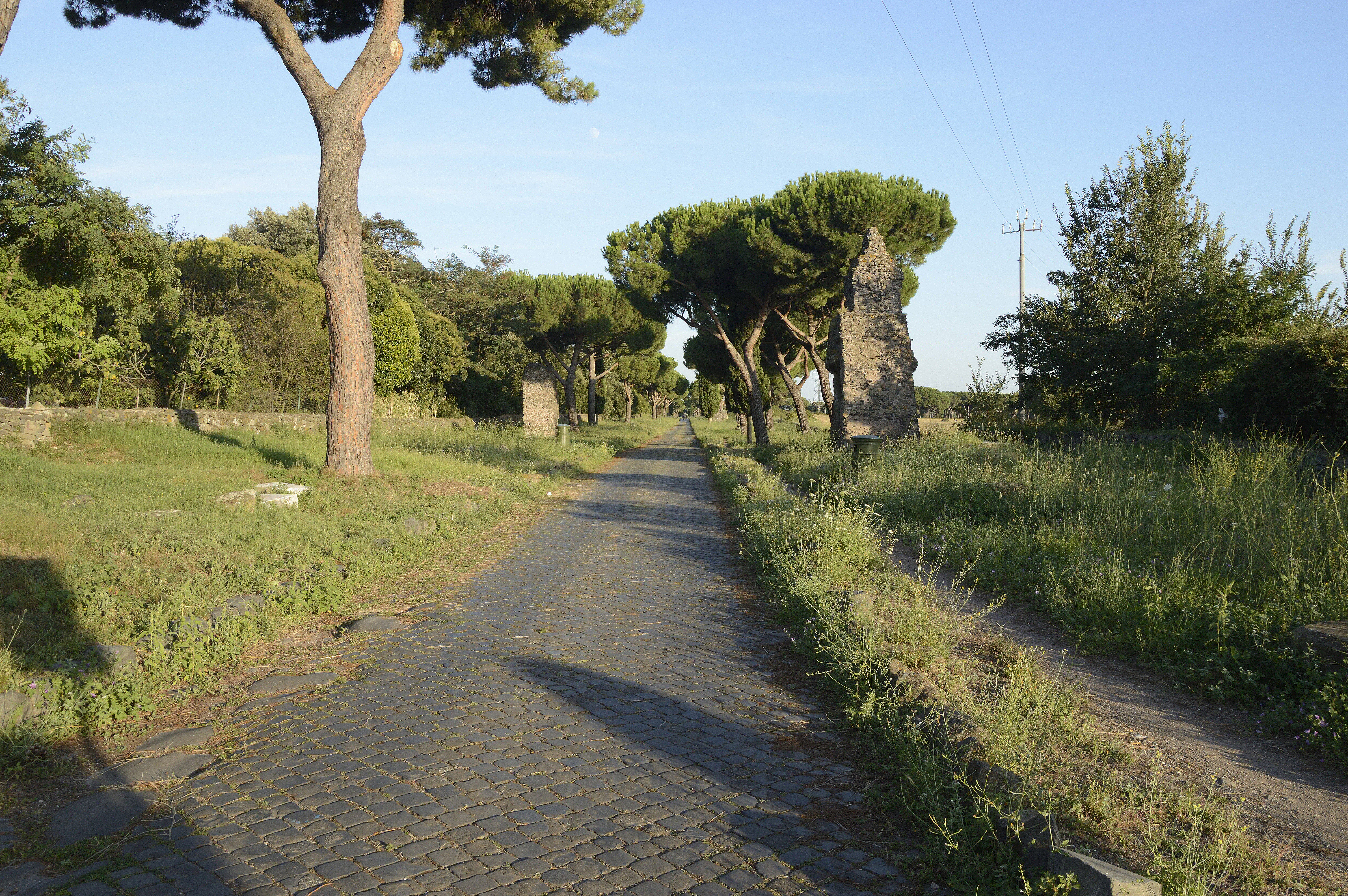
Along the oldest consular road in Italy, a handful of oratories, tabernae ruins, and inscribed milestones still mark where ancient and medieval travellers paused.
Bishop Sigeric of Canterbury recorded 79 stopping points on his return from Rome in 990 AD. That list remains the oldest systematic itinerary of Italian waystations still surviving. Many of the locations he named can be matched to standing structures today — though the buildings themselves are mostly 12th-century rebuilds over earlier foundations.
Read the architectural surveyMedieval waystation architecture in Italy fell into three broad categories, each serving a different traveller profile and maintained by different institutional bodies.
Episcopal Hospitals
Managed by cathedral chapters, these large compounds offered beds, food, and medical care. Santa Maria della Scala in Siena operated continuously from the 9th century into the 20th.
Fortified Roadside Lodges
Smaller than hospitals, these structures combined a watchtower with ground-floor lodging. Commune militias or local lords maintained them in exchange for toll rights on the road section.
Wayside Oratories
Single-nave chapels positioned at road junctions or river crossings. Typically endowed by a single family or confraternity, they provided shelter rather than beds — a roof and a water source, nothing more.
The connection between pilgrim routes and commercial traffic is well documented in 13th-century Italian municipal statutes. Towns along the Via Francigena routinely required incoming merchants to register at the local ospizio before entering the market — a practice that turned hospice records into some of the most detailed economic ledgers of the period.
Read the full accountThe Via Appia south of Rome retains more intact rest-stop remains than any other Italian route — partly because the road itself fell out of commercial use early enough that its margins were not redeveloped. Several mausoleums were converted into tabernae and later into oratories; some show three distinct construction phases stacked over Roman foundations.
Survey the Via Appia sitesThis archive is updated on the basis of new survey data, revised archaeological assessments, and reader corrections. If you have identified an error in a site description or hold documentation on an unlisted waystation, use the form below.